Natural Colored Diamonds:
Fancy Colored Diamond Engagement Rings
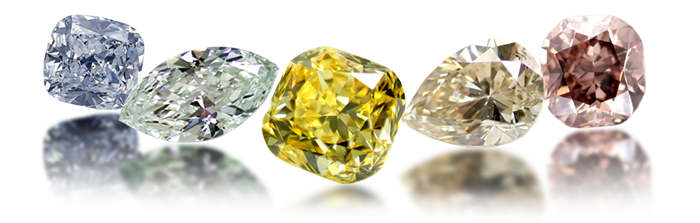
Choose a Colored Diamond for Your Engagement Ring
More rare than colorless diamonds, fancy-colored diamonds are among nature’s most extraordinary gems. Krikawa specializes in sourcing exceptional fancy-colored diamonds for engagement rings, including pink, blue, and yellow stones. Each diamond is one of a kind, ensuring your ring is truly unique.
Once your perfect diamond is selected, Krikawa’s designers create a custom ring that enhances its natural beauty, transforming it into a personal statement and a future heirloom to be treasured for generations.
Krikawa also offers color-enhanced blue diamonds that begin as natural stones formed deep within the earth. Through a permanent internal treatment process, their color is intensified into vibrant, lasting hues ideal for distinctive, custom engagement rings.
Why Choose a Colored Diamond?

What better way to showcase your unique love than with a colored diamond? Whether you envision a classic design or something bold and modern, a ring with a colored diamond will ensure your ring captures the attention and individuality of your commitment to one another. These extraordinary diamonds create precious heirlooms to cherish for generations to come.
Start your journey toward a one-of-a-kind masterpiece ring with us at Krikawa today!
The Colors of Natural Diamonds
Champagne Diamonds
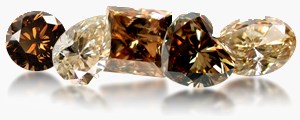
The beautiful earth tones of natural-colored diamonds, such as champagne diamonds, range from subtle champagne to rich cognac and dark chocolate. Their golden tones make them a softer, gentler, and sometimes more affordable alternative to the colorless diamond.
Black Diamonds

Visually arresting and mysterious, black diamonds make a bold statement. Choose between natural, untreated black diamonds or treated stones, each one offering unique depth and allure for colorful engagement rings.
Fancy Yellow Diamonds
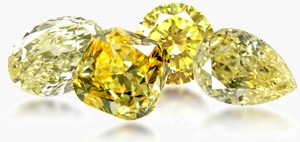
The cheerful, sunshine-glow of fancy yellow diamonds makes them popular for colorful engagement rings. With hues ranging from pale sunshine to vivid sunset gold, these diamonds are both dazzling and timeless.
Fancy Pink Diamonds
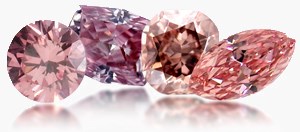
Delicate and enchanting at first blush, fancy pink diamonds are a symbol of romance. From soft salmon tones to brilliantly bold purples, these diamonds create the perfect-colored diamond engagement rings to represent the soft, enfolding warmth of your love for one another.
Fancy Blue Diamonds
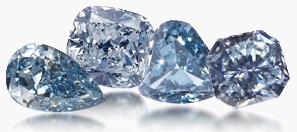
As rare and captivating as you and your partner’s adventure together, fancy blue diamonds exude the elegance of summer skies. Whether light and ethereal or deep as the ocean, these gems are the ultimate centerpiece for a sophisticated ring with colored diamonds.
Fancy Green Diamonds
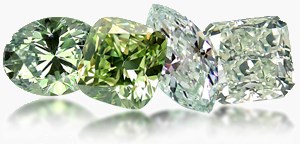
With shades reminiscent of laurel and oak leaves in the wind and the forest, a fancy green diamond is a flawless choice to bring the beauty and love of nature to life. Their exceedingly rare hues, from soft, spring yellow-greens to deep turquoise sea tones, make them another unforgettable choice, perfect for fancy-color diamond ring designs.
Color-Enhanced Natural Diamonds


Color-enhanced natural diamonds are genuine diamonds that undergo advanced treatments to achieve intensely rich colors. These processes mimic natural forces, resulting in breathtaking hues at a fraction of the cost of untreated fancy-colored diamonds.
These stones are perfect for those seeking something as colorful as themselves, with maximum visual impact. Color-enhanced diamonds are a vivid, permanent, and ethical option!
Learn about Color-Enhanced Natural Diamonds→
Find your Color Enhanced Natural Diamond→
Evaluating a Fancy Color Diamond

Colored Diamonds Origin: Only one in 10,000 diamonds has natural color, making fancy colored diamonds one of the Earth’s rarest gifts. Trace elements and unique geological conditions give each diamond its stunning hue.

Clarity and Cut: While clarity affects value, color depth is the most critical factor. Fancy-colored diamonds are typically cut to maximize their hue, rather than conform to traditional cutting standards.

Shapes for Maximum, Vibrant Color: Unlike colorless diamonds, fancy-colored diamonds shine brightest in shapes like radiant or cushion cuts. These styles enhance their unique shades, creating truly spectacular works of art.
Strength of Color

Diamonds in the colorless (D-Z) range usually decrease in value as the color becomes more apparent. The opposite is true with fancy-colored diamonds. The most critical factor affecting the rarity of a fancy-colored diamond is color. Fancy-colored diamonds are found in nearly every color of the rainbow. Red, green, purple, and orange are the rarest colors, followed by pink and blue. Yellow and brown are the most common fancy colors and are the most affordable. Aside from spectral hue, the color's purity and strength also affect rarity.
- Hue refers to the dominant color of the stone, such as pink, blue, or yellow. There can also be modifiers, or tints, which impart more than one color to a stone. For instance, a purplish-pink diamond indicates a stone with a principal pink hue and a slight purple tint. If no modifiers or tints exist in a stone, then the hue is said to be pure.
- Tone refers to how much lightness or darkness a stone appears to retain. The range of tones goes from light to dark.
- Saturation describes the strength or intensity of the hue. The saturation of light diamonds can vary from pastel to vivid and intense. Dark diamonds can range from dark to deep.
