Engagement Ring and Wedding Band Stone Settings
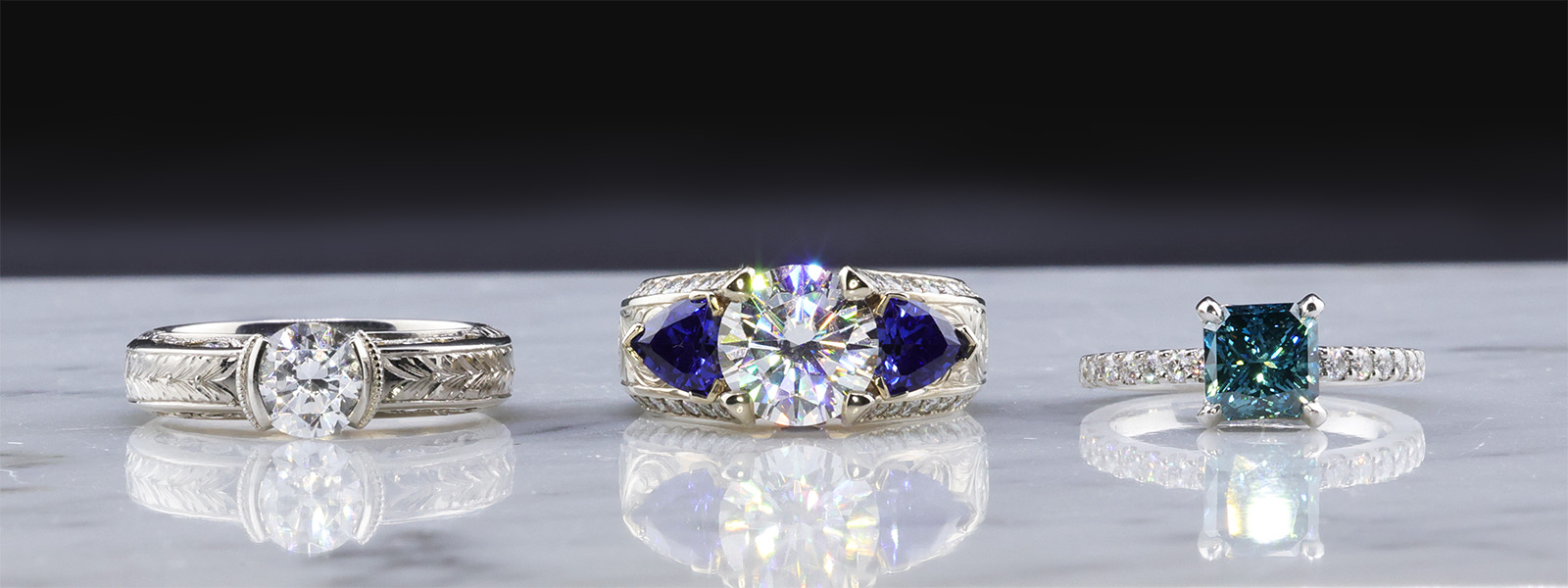
Your Guide to Stone Setting Types for Custom Rings
Choosing the stone may be the most exciting part of designing a ring, but choosing how it's set is just as important. The setting influences far more than appearance. It affects how securely your gemstone is held, how the ring feels on your hand, how well it suits your lifestyle, and how beautifully it will wear over time. It is an important design decision that your jeweler should help you understand before work begins on your ring. Pair this guide with our center stone guide and ring elements guide as you plan your design.
Whether you’re researching different stone settings, exploring more unusual gemstone settings, or deciding between classic prongs, modern bezels, pavé, channels, and other options, this guide will help you understand the differences and make a confident choice. At Krikawa, every setting is custom-designed from scratch around your gemstone, your personal style, and the way you plan to wear your ring, creating a finished piece that feels distinctly and beautifully yours.
What Is a Stone Setting?
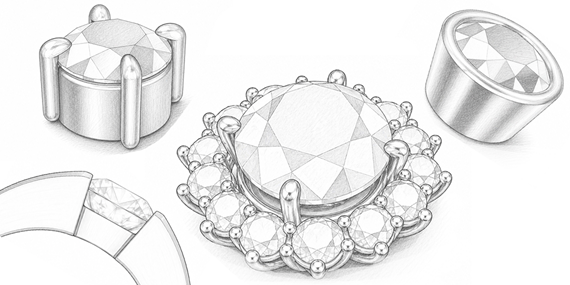
A stone setting is the way a diamond or gemstone is held within a piece of jewelry. In rings, settings serve two essential purposes: keeping the stone secure and showcasing its cut, quality, and beauty. The choice of your setting influences how much light reaches the stone, how well it’s protected from everyday damage, and how the ring feels when you wear it on your hand.
At Krikawa, we create stone settings for rings in a wide variety of styles, from sleek to modern to ornate and vintage-inspired, which ensures each design not only meets your exact vision but also your day-to-day practical needs.
Stone Setting Types
Below are some of the most popular and common stone setting types we custom craft for engagement rings, wedding rings, and statement jewelry.
Prong Setting
Bezel Setting
Tension Setting
Cathedral Setting
Halo Setting
Flush Setting
The setting is the overall design system that holds your center stone in place and defines your ring’s style. It includes both the head (the part that directly grips the stone) and how the head integrates with the rest of the ring. Your setting not only protects your center gem, but also affects the ring’s overall style, height, and brilliance.
Here are a few common engagement ring setting types:
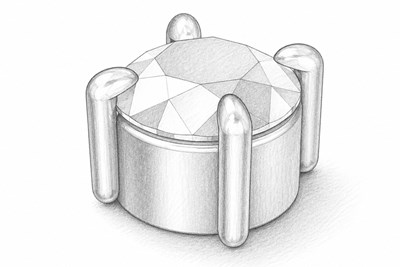
- Prong setting: Metal claws hold the center stone in place, allowing maximum light exposure. Classic and versatile.
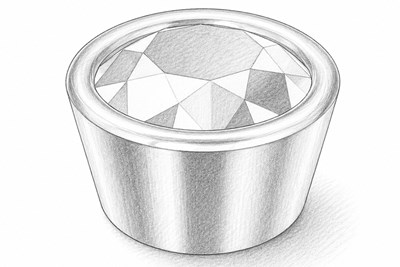
- Bezel setting: A thin metal rim fully or partially surrounds the stone. Very secure and great for active lifestyles.
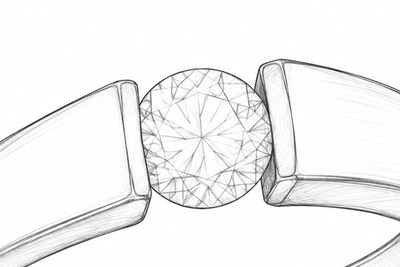
- Tension setting: Uses pressure to hold the stone between two sides of the shank, creating an illusion of a floating gem. However, this style offers limited structural support and is not recommended for long-term security.
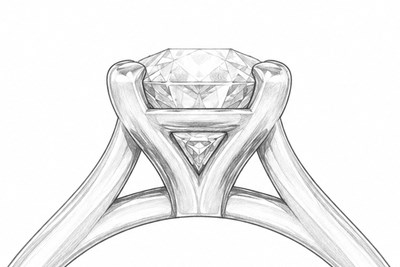
- Cathedral setting: The center stone is held aloft by arches rising from the shank, evoking cathedral architecture. Elegant and traditional, in a cathedral setting, the center stone sits high off the finger.
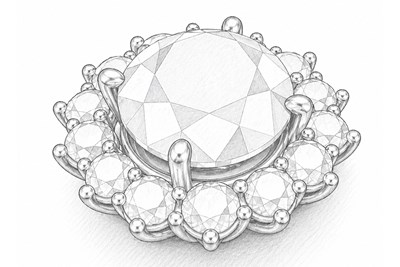
- Halo setting: A circle of smaller accent stones surrounds the center stone, enhancing sparkle and increasing visual impact. Adding a halo can effectively make a modest-sized stone appear larger.
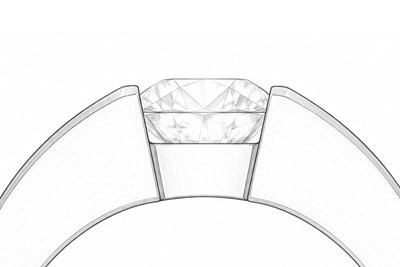
- Flush setting: The center stone is set flush with the ring's surface, so it sits level with the metal. This style, sometimes called “Gypsy Setting”, is rarely used for larger stones.
Krikawa Tip: Your choice of setting also affects how high the stone sits on your finger and how secure it feels day to day. Want to know more? Explore more details →
- The Head: Beauty and Engineering Combined. The head is the upper portion of the setting that physically holds the center stone, typically using prongs or a bezel. It plays a critical role in your ring's engineering and appearance. The head determines how prominently the stone is displayed, how much light it receives, and how it connects to the shank.
The head merges functionality with artistic detail, supporting the center stone and defining your ring’s visual profile.
Four Prong
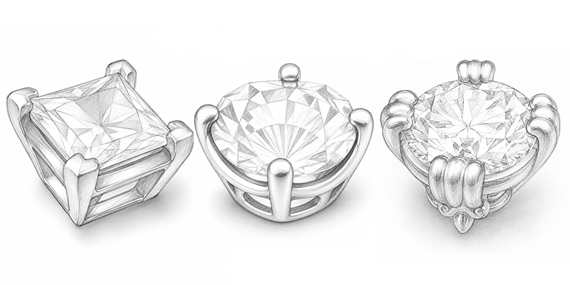
The four-prong setting uses four evenly spaced claws to hold a diamond or gemstone in place. This design allows maximum light to pass through the stone, enhancing sparkle and brilliance. Four prongs create a clean, minimal look and make the gem the center of attention. While undeniably elegant, it offers slightly less security than settings with more prongs, so regular inspection is important for active wearers.
Six Prong
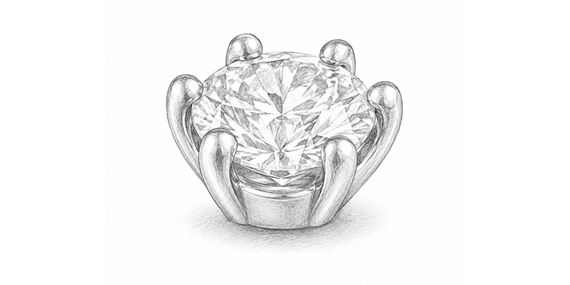
A six-prong setting adds two additional claws for greater stability and protection. This style is famously chosen for some of the most iconic engagement rings in history. The extra prongs strike the balance between extra security and beauty, as they slightly reduce light exposure but add much-needed peace of mind—ideal for sentimental pieces and those who wear them daily.
Multiple Prong
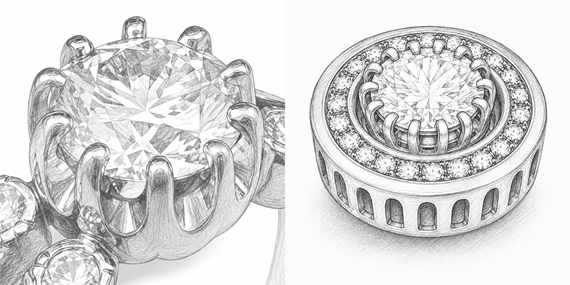
Multiple prong settings use numerous slender claws to cradle your stone. They create decorative, intricate looks that can be modern or vintage, depending on the design. This setting type delivers exceptional sparkle but requires careful maintenance to ensure all prongs remain undamaged and secure over time.
Full Bezel
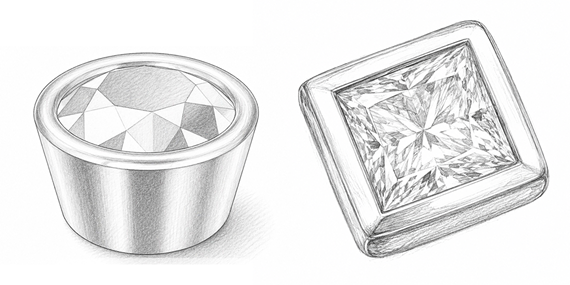
A full bezel surrounds the gemstone entirely with a smooth band of metal. This is one of the most secure gemstone settings available, offering excellent protection for everyday wear and for softer stones prone to scratching and chipping. While bezels can reduce light entering the stone, they provide a sleek, modern profile and are especially perfect for couples always on the go with an active, hands-on lifestyle.
Semi-Bezel
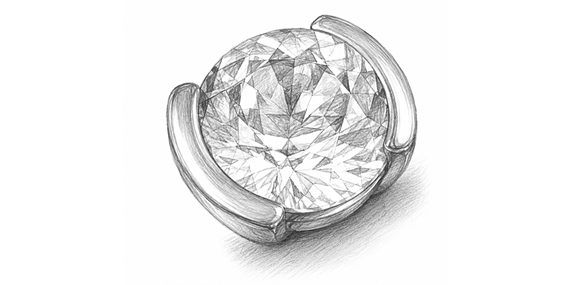
Also known as a partial bezel, this style involves wrapping metal around part of the gemstone, leaving other areas exposed. A semi-bezel offers more light return than a full bezel while still providing extra protection compared to prong settings. It's also an asymmetrical look that adds an undeniable, unique touch.
Flush Setting
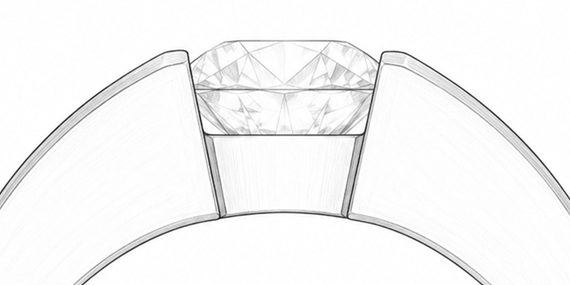
In a flush setting, the diamond or gemstone sits level with the surface of the ring. The surrounding metal is carved precisely to hold the stone in place, creating a smooth, snag-free finish. Flush settings are exceptionally durable and perfect for people with active hands. They offer subtle sparkles and a minimalist, refined feel.
Pavé
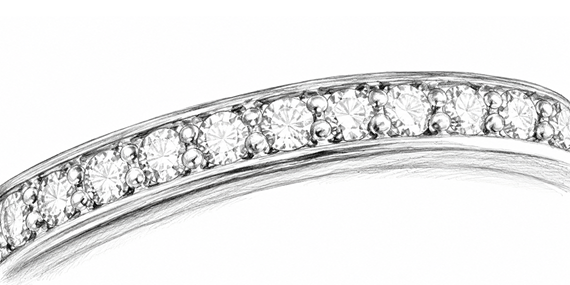
Pavé settings use many small gemstones set closely together with tiny beads of metal securing them. This results in a glittering “paved” surface that maximizes sparkle. While dazzling, pavé rings require regular cleaning to keep their brilliance and should be inspected periodically for loose stones.
Pavé with Millegrain
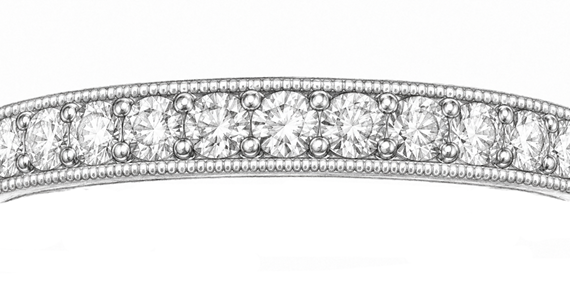
Adding millegrain to pavé setting introduces a row of tiny, decorative metal beads along the edges. This technique adds texture and vintage charm, making it a favorite for antique-inspired designs. Like standard pavé, it needs attentive care to maintain its intricate details.
Channel Setting
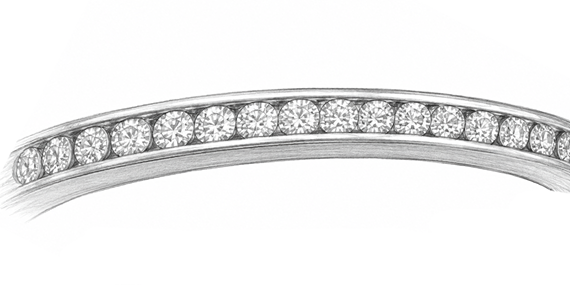
In a channel setting, gemstones are set side-by-side in a groove or a channel within the band. The stones are protected by channel walls, creating a smooth, snag-free surface. This style is ideal for wedding bands and side accents on engagement rings, and it pairs seamlessly with custom Mokumé Gané designs.
Bead in Channel
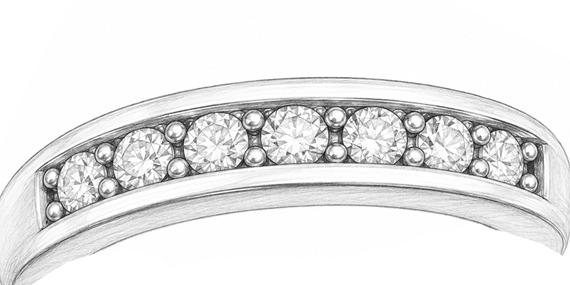
A bead-in-channel setting combines the security of a channel with small, raised beads that add visual interest and detail. This hybrid approach increases sparkle while keeping your stones protected. A perfect choice for adding dimension to a custom band.
Stone Setting Frequently Asked Questions
Q: Is it true that a bezel setting makes a diamond look less sparkly?
A: Not necessarily; while bezels do block some light, a skilled jeweler can design them to maximize the brilliance of the top view.
Q: I want the safest setting for everyday wear. Which one is that?
A: Most likely, full bezels or flush settings will provide you with the most protection against knocks and snags.
Q: If I change my mind, can I change my stone setting later?
A: Yes. At Krikawa, our custom process allows you to make changes before we go into production to ensure that you will be satisfied with your finished ring. If you have a ring that no longer fits your style, we are happy to help you choose a setting style that fits who you are today.
Q: I have many small heirloom stones. Can I use them in any setting?
A: Unfortunately, sometimes heirloom stones can be too small, worn, possibly damaged, or have unusual properties that limit the setting styles our jewelers can work with. In some cases, additional craftsmanship, design adjustments, and time may be required to ensure a secure, beautiful result. It’s always best to consult your Krikawa ring designer early in the process so they can evaluate the stone, or stones, and recommend the safest, most practical setting for them.
Why Krikawa’s Custom Stone Settings Stand Out
Every Krikawa ring begins with your idea and is designed from scratch specifically for you. Nothing you see on our website is pulled from a mold, selected from a shelf, or mass-produced, and every finished piece represents only a glimpse of what we can create.
Through virtual consultations, mailed examples when helpful, realistic design guidance, and detailed previews before production begins, we help you explore the possibilities with confidence.
Our expertise in custom jewelry, Mokume Gane, and an extensive selection of diamonds and gemstones allows us to create a setting that reflects your vision while also considering how your ring will be worn every day. If you already have a meaningful gemstone or diamond, you can even send it to us for inspection to determine whether it can be incorporated into your custom design.
