Spinel Gemstones for Engagement Rings
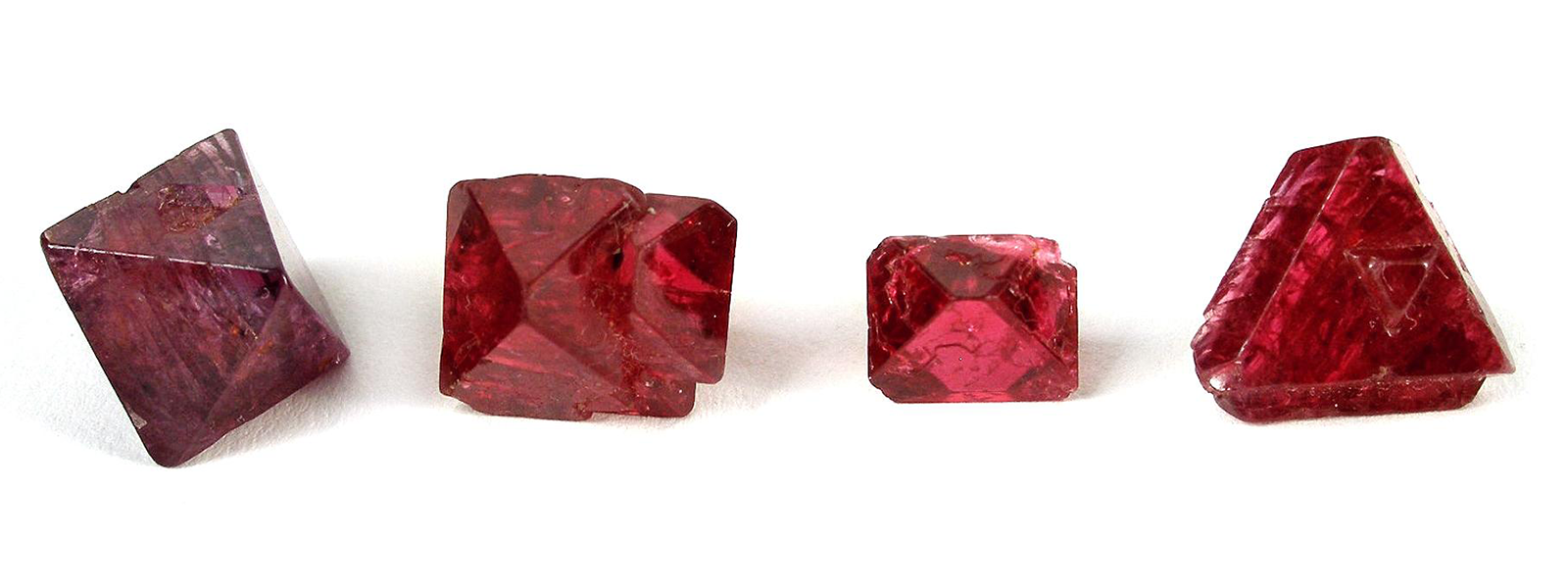 Image courtesy of Rob Lavinsky via Wikimedia Commons
Natural Spinel Gemstones
Long ago, spinels were confused with better-known stones like ruby and sapphire. Some of the world's most illustrious "rubies" are actually spinels, such as the center stone in the British Imperial State Crown known as the Black Prince's Ruby. Modern technology has helped labs to identify spinel correctly, but it remains largely unrecognized by the general public.

A World of Color
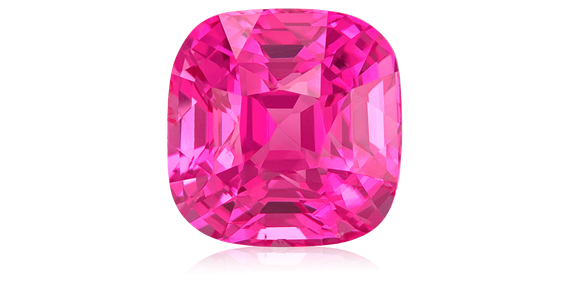
Spinel is a transparent gem that occurs naturally in a wide range of colors, including orange, red, pink, purple, violet, blue (on rare occasions, even green and color-change!). Blue spinels are often grayish, but the best are a deep, rich color that makes you want to dive in and swim around! And the reds can rival fine ruby! Though top-quality red spinels are not inexpensive, they offer the look of natural ruby at a fraction of the price.
The History of Spinel
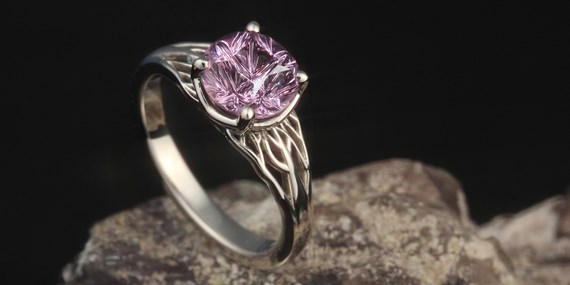
For centuries, spinel was one of history’s most misunderstood yet treasured gemstones. Revered for its vivid reds, pinks, blues, and purples, spinel was often mistaken for ruby or sapphire because of its similar brilliance and hardness. In fact, some of the most famous “rubies” in royal collections were later identified as spinels, including the celebrated gemstone set in the British Imperial State Crown. It was not until the late 18th century that advances in mineralogy revealed spinel as its own distinct gem species.
Despite this long history of mistaken identity, spinel has always been prized by royalty, collectors, and gem connoisseurs for its natural beauty and rarity. Unlike many gemstones, spinel is typically untreated, allowing its true color and clarity to shine without enhancement. Today, spinel is appreciated not only for its rich historical legacy but also for its authenticity and individuality, making it a meaningful choice for those drawn to gemstones with a story as compelling as their sparkle.
Excellent Durability for Engagement Rings
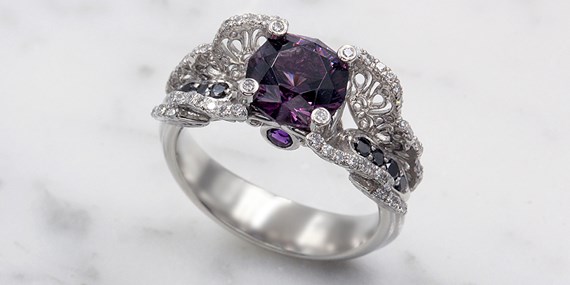
In addition to its stunning range of colors, spinel is an exceptionally durable gemstone well-suited for everyday wear in engagement rings and fine jewelry. Ranking high on the Mohs hardness scale, spinel resists scratching, chipping, and general wear, making it a practical choice for a ring meant to be worn and cherished daily. Its natural toughness allows it to maintain crisp facet edges and lasting brilliance over time, even with an active lifestyle.
Beloved by clients who appreciate both beauty and individuality, spinel offers the rare combination of strength, longevity, and distinctive character, making it an outstanding option for those seeking a gemstone that is as resilient as it is captivating.
