May 05, 2026
The Dutch Marquise Diamond Ring: Vintage Origins, Modern Style

LISA
Krikawa Key Takeaways:
- A Dutch marquise diamond is a historic variation of the marquise cut; an elongated hexagon with fuller proportions and angled tips.
- Also known as the Rupee cut, this rare diamond shape reflects early European cutting traditions and distinctive geometric symmetry.
- Dutch marquise diamonds are available in both natural and lab-grown diamonds, offering flexibility in origin and budget.
- Choosing the right Dutch marquise diamond means evaluating the length-to-width ratio, tip symmetry, facet style, and overall visual balance.
Dutch Marquise Diamonds: The Historic Cut with a Surprisingly Modern Edge
The Dutch marquise diamond is one of those rare cuts that makes people lean in a little closer and ask, “Wait… what is that?” It has the elegance of a traditional marquise, the symmetry of antique craftsmanship, and just enough mystery to feel like a collector’s secret. If you’re considering a Dutch marquise engagement ring, here’s what makes this historic shape so distinctive—and how to choose one well.
What Is a Dutch Marquise Diamond? A Complete Guide to This Historic Cut
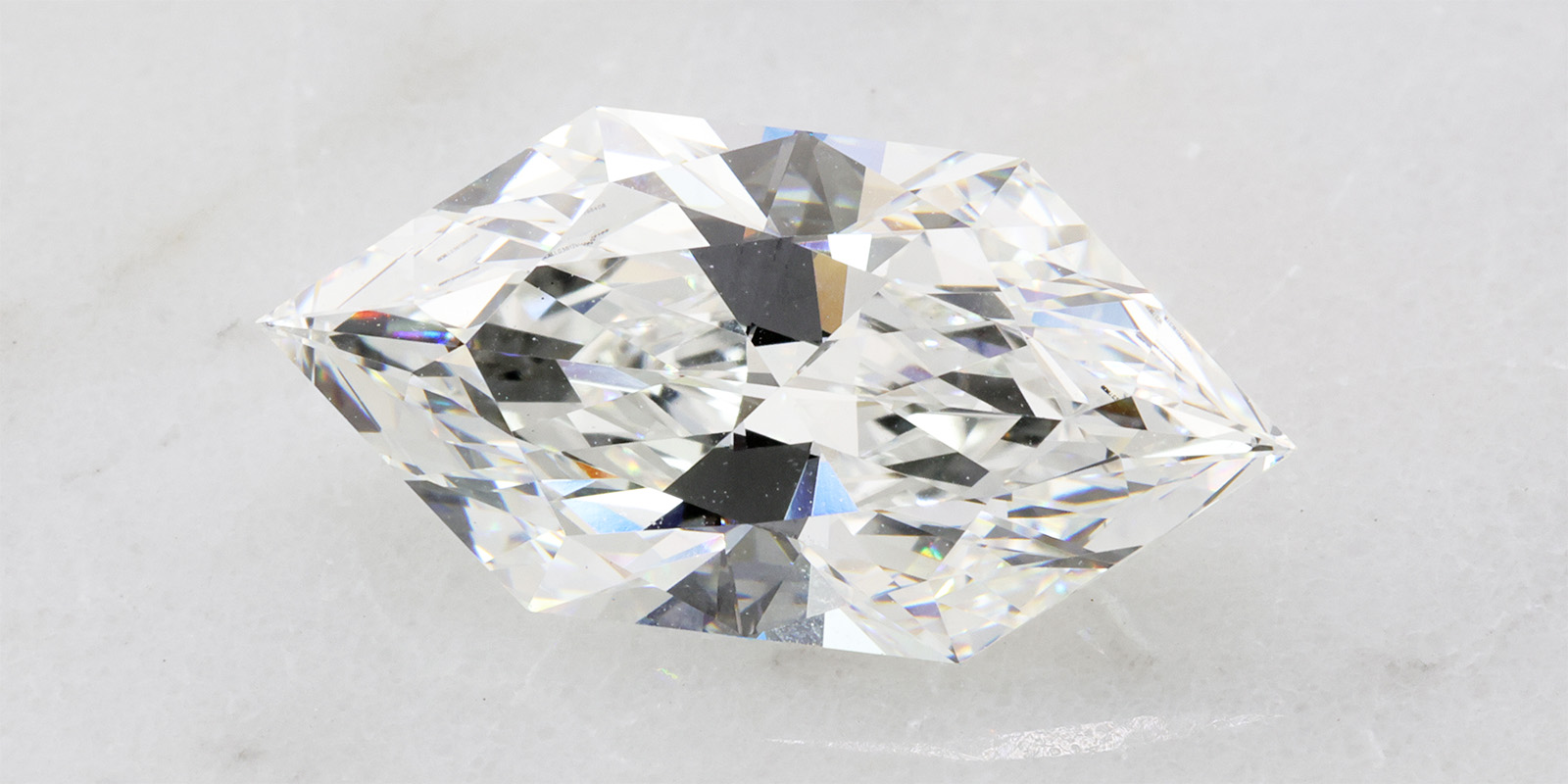
A Dutch marquise diamond is a historic variation of the classic marquise cut, recognizable for its refined symmetry and balanced silhouette. Unlike the elongated, sometimes dramatic proportions of modern marquise diamonds, the Dutch version is an elongated hexagon with angled tips.
The result is a shape that feels intentional rather than flashy, elegant without trying too hard.
Historically, this cut emerged during a period when European diamond cutters prioritized proportion, light behavior, and durability over maximizing spread. Many antique Dutch marquise stones, therefore, have a pleasing visual weight and a distinctive facet arrangement that gives them personality beyond standard modern cuts.
Dutch Marquise vs Traditional Marquise Diamond: What’s the Difference?
At first glance, the two shapes look similar. But once you know what to look for, the differences become obvious.
A traditional marquise diamond is usually longer and narrower, designed to maximize finger coverage and create a dramatic elongating effect. It has fully rounded sides with sharper points and a more stretched outline.
A Dutch marquise diamond, by contrast, tends to have:
- slightly fuller proportions
- angled ends
- a more balanced length-to-width ratio
- antique-inspired faceting character
Both are beautiful. The traditional marquise has a sexy curve, and the Dutch marquise shows strength.
Best Settings for a Dutch Marquise Engagement Ring
Because the Dutch marquise already has a strong visual presence, the best settings tend to complement its symmetry rather than compete with it. Some especially successful choices include:
Classic solitaire settings: These highlight the stone’s outline and allow the historic shape to remain the focal point.
Bezel settings: A bezel protects the delicate tips and emphasizes the diamond's sculptural geometry.
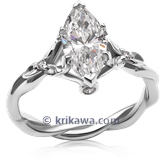
Split-shank designs: These echo the stone's taper and create visual flow toward the center.
Vintage-inspired mountings: Millegrain edges, hand engraving, and subtle filigree pair naturally with the cut’s European heritage.
In general, the Dutch marquise thrives in settings that respect its structure rather than overwhelm it.
Brilliant Cut vs Step Cut Dutch Marquise
Not all Dutch marquise diamonds sparkle the same way. A brilliant-cut Dutch marquise features triangular and kite-shaped facets designed to scatter light energetically, producing lively flashes and a familiar diamond “twinkle.”
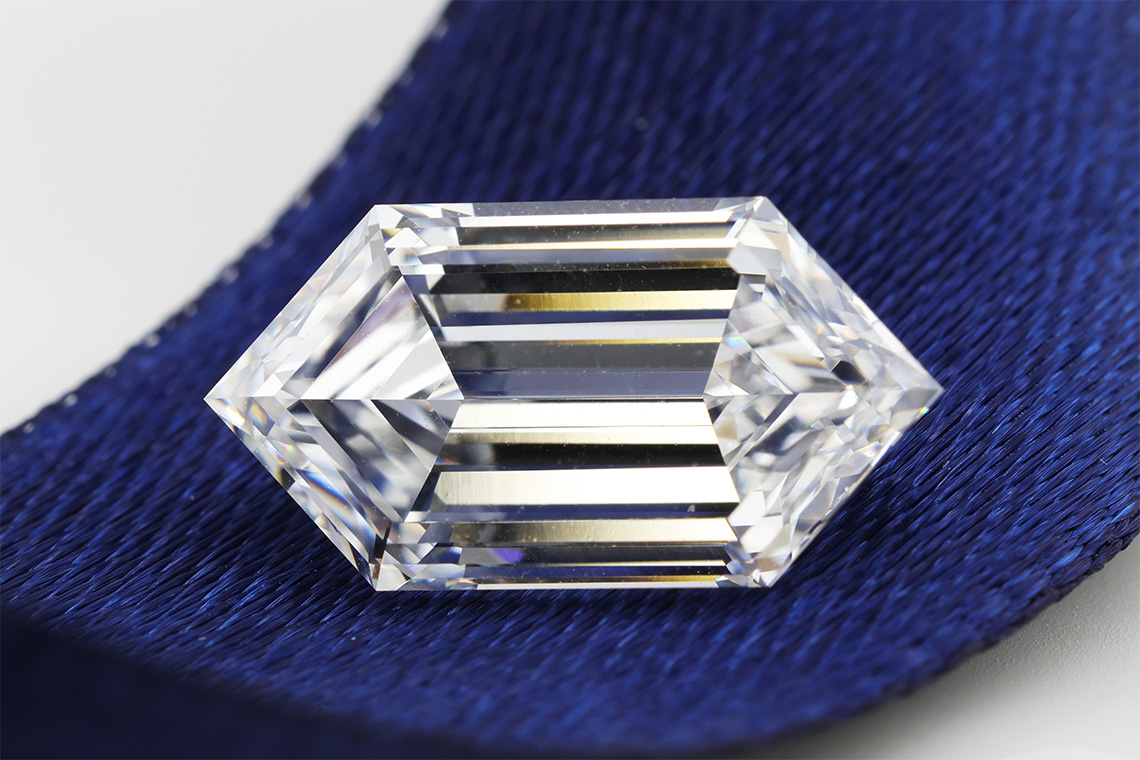
A step-cut Dutch marquise, by contrast, uses long, parallel facets that create a calmer, mirror-like effect often described as a hall-of-mirrors look. Instead of sparkling fireworks, you get architectural light reflections and crisp geometry. One feels like champagne bubbles; the other feels like polished glass catching sunlight. Both are elegant, just with different personalities.
The Dutch Marquise’s Other Name: The Rupee Cut
The Dutch marquise is also historically known as the Rupee cut, a name inspired by its resemblance to the elongated diamond-shaped outline of traditional Indian rupee currency motifs. This alternate name appears most often in antique diamond references and early European cutting traditions, where cutters borrowed familiar geometric forms from trade symbols and decorative arts.
Today, “Dutch marquise” is the more common term in engagement ring design, but “Rupee cut” remains a charming reminder that this shape has traveled the world and collected stories long before modern diamond branding existed.
East-West Dutch Marquise Engagement Rings: A Modern Take on a Historic Cut
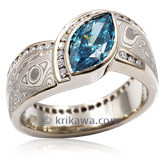
Rotating a Dutch marquise horizontally, known as an east-west setting, instantly transforms the ring's personality.
Instead of emphasizing length along the finger, the stone now creates a strong architectural line across it. The effect feels contemporary, confident, and slightly unexpected (always a good thing in a custom engagement ring design).
This orientation works particularly well with the Dutch marquise because its balanced proportions prevent it from looking overly narrow when turned sideways.
It’s proof that a centuries-old cut can still feel entirely modern.
How to Choose the Perfect Dutch Marquise Diamond for an Engagement Ring
Selecting a Dutch marquise diamond involves a slightly different mindset than choosing a standard modern brilliant. Instead of chasing maximum sparkle alone, you’re evaluating proportion, symmetry, and personality.
Here’s what to look for:
Length-to-width ratio: A well-balanced outline is key. Too narrow, and the stone starts to resemble a traditional marquise or a baguette rather than a Dutch variation.
Tip symmetry: Even, aligned points help maintain the elegance this cut is known for.
Facet character: Many Dutch marquise diamonds show subtle individuality in their faceting. That’s part of the charm.
Presence rather than spread: Antique-style stones often prioritize visual substance over surface area. Choose the one that feels harmonious rather than simply large.
Most importantly, trust your eye.
Lab-Grown vs Natural Diamond Dutch Marquise
Dutch marquise diamonds are available in both natural and lab-grown versions, giving you flexibility without sacrificing this distinctive historic silhouette. Natural Dutch marquise diamonds appeal to collectors and traditionalists who value geological rarity and antique lineage, while lab-grown Dutch marquise diamonds offer the same shape and brilliance at a more accessible price point and with a modern origin story.
Because the cut itself is uncommon, either option still feels special. The choice really comes down to whether you prefer a diamond formed deep within the earth over millions of years or one created with precision in a laboratory over a few months. Either way, the elegance of the Dutch marquise remains exactly the same.
Your Custom Dutch Marquise Engagement Ring from Krikawa
The Dutch marquise engagement ring is a rare combination of history, geometry, and individuality. It's refined enough to feel timeless, yet distinctive enough to stand apart from more familiar diamond shapes. Because each Dutch marquise diamond has its own personality, designing a custom setting around it ensures the finished ring feels special and unique rather than off-the-shelf.
At Krikawa, the process begins with a one-on-one design consultation, where your stone and style preferences, along with your ideas, come together into a tailored concept created just for you. If a Dutch marquise has caught your eye, it’s a wonderful place to start a ring that feels both historic and entirely your own.
Take the Ring Quiz | Book Your Free Design Appointment
Look Around